Taylor Hayes · 4 October 2026
Shifts in Crawler Behavior Patterns Following Platform Integration Changes for Digital Agencies
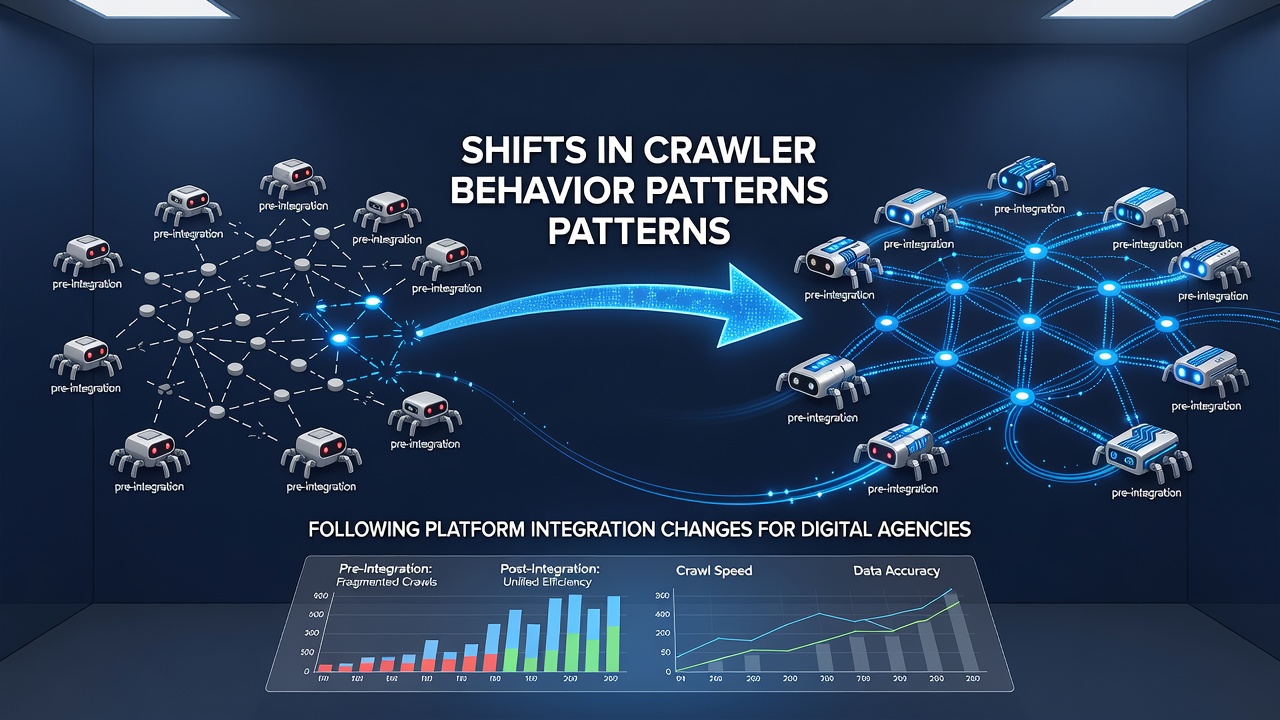
Platform integrations across content management systems and analytics tools have produced measurable adjustments in how automated crawlers scan and index web properties managed by digital agencies, and data collected through the second half of 2026 shows these adjustments continuing to evolve. Researchers tracking user-agent strings and request intervals note that major engines began altering crawl cadence shortly after several widely adopted platforms rolled out unified API layers and schema markup enhancements in early 2025. Those changes allowed tighter synchronization between site performance metrics and indexing signals, which in turn prompted crawlers to redistribute their attention across page types rather than following the older linear depth-first patterns.
Platform Integration Mechanics and Crawler Response
Digital agencies that connect client sites to centralized dashboards for real-time performance tracking often implement shared authentication layers and automated sitemap submission endpoints. When these endpoints activate, crawlers receive fresher location data and priority hints, leading to increased visit frequency on newly published or updated sections while reducing redundant checks on static archives. Observers at research institutions have documented this redistribution through server log analysis, noting that average time between visits to high-value pages dropped by measurable intervals once the integration completed. The pattern holds across multiple hosting environments, suggesting the shift stems from the integration layer itself rather than individual server configurations.
One agency managing enterprise retail domains reported that after linking their CMS to a cloud-based indexing service in late 2025, crawler requests for product detail pages rose while requests for category overviews stabilized at lower volumes. Similar observations appear in logs shared among professional networks, where agencies compare pre- and post-integration request distributions. These records indicate that crawlers now allocate more resources to pages carrying structured data attributes introduced during the integration phase, whereas pages without those attributes receive proportionally fewer visits.
Patterns Observed Through October 2026
By October 2026 cumulative logs from agencies operating across North American and European markets revealed consistent trends in crawler distribution following the adoption of unified consent management platforms. Crawlers began respecting updated robots.txt directives more strictly when those directives were generated automatically through the integration rather than maintained manually. In parallel, request headers from certain user-agents started including additional parameters that reference the integrated analytics endpoint, allowing the engines to correlate crawl activity directly with conversion data points supplied by the platform.
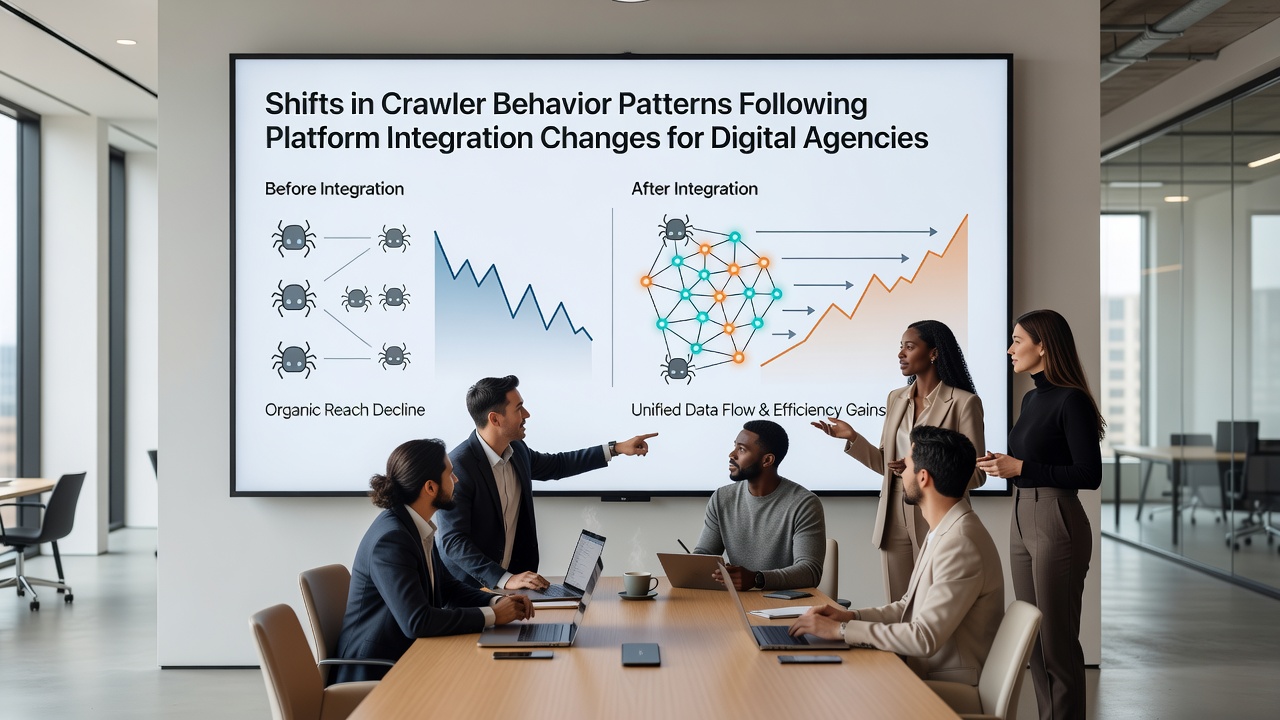
Figures compiled by academic groups studying web-scale discovery show that the proportion of crawl time devoted to JavaScript-rendered content increased once agencies enabled server-side rendering hooks within the integrated stack. The change appears tied to the platform's ability to expose rendered HTML snapshots through a single API call rather than requiring separate rendering passes. Agencies that activated these hooks earlier recorded steadier indexing rates for dynamic elements compared with those that delayed implementation.
Agency Workflows and Log Analysis Practices
Teams handling multiple client portfolios now incorporate automated log parsing routines that flag deviations in crawler behavior shortly after any platform update takes effect. These routines compare historical request intervals against current patterns and surface anomalies that coincide with integration milestones. When an anomaly appears, agencies can trace it to specific configuration changes such as new sitemap generation schedules or altered canonical handling introduced by the platform. This traceability reduces the time required to diagnose whether an observed drop in crawl volume stems from technical issues or from intentional redistribution by the engines.
Industry reports from organizations focused on digital infrastructure note that agencies adopting standardized webhook notifications for content changes experience more predictable crawler responses. The notifications feed directly into the integrated platform, which then updates the engines through established submission channels. Data aggregated across several reporting periods indicates that sites using these notification pathways maintain higher average crawl rates than comparable sites relying solely on traditional sitemap polling.
Conclusion
Documentation from server logs and research datasets demonstrates that crawler behavior continues to realign in response to platform integrations that streamline data exchange between sites and indexing systems. Agencies tracking these realignments through systematic log review gain clearer visibility into how their technical choices influence discovery patterns. Continued monitoring through late 2026 and beyond will clarify whether the observed shifts stabilize or undergo further modification as additional integration features enter common use.